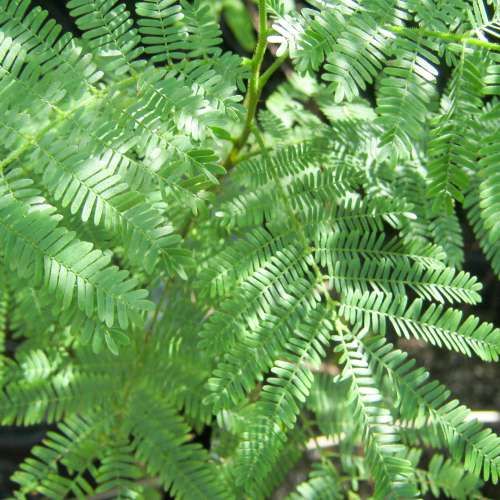
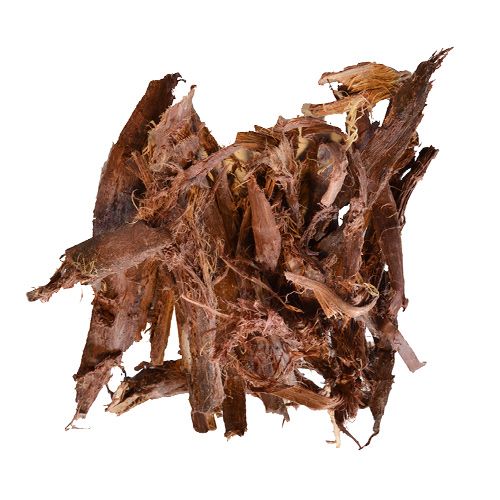
Jurema preta itself is rarely named in drug law, but the DMT in its root bark always is. DMT (N,N-dimethyltryptamine) is controlled in the Netherlands, the United Kingdom, the United States and the EU countries we checked. What differs is the status of plant material that contains it. In the Netherlands, seeds, plants and bark are legal; in France the plant itself is listed as a narcotic; in the UK and the US the position of the bark is uncertain or hostile. We checked every statement on this page against the legal text or a court record on 15 October 2026. This is information, not legal advice.
At a glance
| Country | DMT | Plant, seeds and bark | Source |
|---|---|---|---|
| Netherlands | Opium Act, list I | not named in the Act; importing DMT plants is legal according to DRUGSinfo | Opiumwet |
| United Kingdom | Class A | plant not named; whether bark is a "preparation" of DMT is legally uncertain | Misuse of Drugs Act 1971, Schedule 2 |
| United States | Schedule I | plant not named; the schedule covers "any material" containing DMT | 21 CFR 1308.11 |
| France | narcotic | Mimosa hostilis listed as a narcotic since 2005 | arrêté of 20 April 2005 |
| Germany | Anlage I | plant parts controlled if intended for intoxication | BtMG, Anlage I |
Netherlands
The Opium Act (Opiumwet), in the version in force since 17 September 2026, lists "N,N-dimethyltryptamine, DMT" on list I, the list of drugs with unacceptable risks. A closing line extends list I to "preparaten die één of meer van de bovengenoemde substanties bevatten", preparations that contain one or more of the listed substances. The word Mimosa does not appear anywhere in the Act (wetten.overheid.nl).
DRUGSinfo, the public information site of the Trimbos Institute, puts it plainly: "Planten die DMT bevatten mogen legaal ingevoerd worden in Nederland", plants that contain DMT may be legally imported into the Netherlands. It adds that preparing and serving ayahuasca, a DMT-containing drink, is prohibited (DRUGSinfo). On 1 October 2019 the Supreme Court upheld a conviction for importing more than 30 kg of ayahuasca tea intended for a church, ruling that the import ban protects public health and is a permitted limit on freedom of religion (Hoge Raad, ECLI:NL:HR:2019:1456).
For readers in the Netherlands this means: growing the tree from seed is legal, and so is buying and keeping the bark as a dye material or specimen. Extracting DMT or making a drink from the bark is not.
United Kingdom
Under the Misuse of Drugs Act 1971, "N,N-Dimethyltryptamine" is a Class A drug, the most serious category. Paragraph 5 of Part I of Schedule 2 adds "any preparation or other product containing" a Class A substance (legislation.gov.uk). The plant is not named.
Whether powdered root bark counts as such a preparation came before the Court of Appeal in R v H [2012] EWCA Crim 525, decided on 2 March 2012. According to the case summary of the London Criminal Courts Solicitors' Association, the court found there was no legal certainty about whether powdered Mimosa hostilis root bark was an unlawful preparation under the Act, so that trying the defendant for importing and distributing it was an abuse of process (LCCSA case summary). That decision ended one prosecution. It did not declare the bark legal.
For readers in the UK: the tree is not a controlled plant, but the bark carries a real legal risk. The bark on this site is not offered to UK addresses.
United States
Federal law places "Dimethyltryptamine" (DEA code 7435) in Schedule I. The schedule of hallucinogens applies to "any material, compound, mixture, or preparation, which contains any quantity of" the listed substances (21 CFR 1308.11(d)). Mimosa tenuiflora is not named, but on the plain wording, material that contains DMT falls within the schedule.
The one Supreme Court case on a DMT-containing plant drink is about religious freedom, not about plants. In Gonzales v. O Centro Espírita Beneficente União do Vegetal, decided on 21 February 2006, the Court held that the government had not shown a compelling interest in barring a church's sacramental use of hoasca, a tea containing DMT, at the preliminary injunction stage under the Religious Freedom Restoration Act (546 U.S. 418, syllabus). The ruling applies to that church's practice and changes nothing for anyone else.
State laws add their own rules, which we have not checked one by one. The bark on this site is not offered to US addresses. For seeds, check federal and state plant import rules before ordering from abroad.
European Union
There is no single EU list of narcotic plants; each member state applies its own drug law. Internationally, DMT is listed in the 1971 UN Convention on Psychotropic Substances. The International Narcotics Control Board stated in its 2010 report that "no plants are currently controlled under that Convention", and that preparations made from such plants are not under international control either (INCB Annual Report 2010, paragraph 284). Countries may be stricter, and some are.
- France. A ministerial order of 20 April 2005, published in the Journal officiel of 3 May 2005, added Mimosa hostilis to the French list of narcotics, together with other plants used in ayahuasca-type drinks. A written question in the National Assembly (no. 39644, 2021) describes the same listing. Do not order seeds or bark to France.
- Germany. The Betäubungsmittelgesetz lists "N,N-Dimethyltryptamin" in Anlage I. Plants and plant parts containing a listed substance are covered "wenn ein Missbrauch zu Rauschzwecken vorgesehen ist", if misuse for intoxication is intended (BtMG, Anlage I). Whether a purchase is lawful thus depends on its purpose, which is a risk in itself. Do not order bark to Germany.
- Other member states. We have not checked each one. Look up the national drug law, or ask the national drug information service, before ordering.
Seeds, plants and bark compared
| Netherlands | United Kingdom | United States | France | Germany | |
|---|---|---|---|---|---|
| Seeds and a tree in a pot | legal | plant not named | plant not named | plant listed; avoid | plant not named; plant parts with DMT controlled if meant for intoxication |
| Root bark | legal; extraction is not | uncertain; avoid | covered by Schedule I wording; avoid | listed | controlled if meant for intoxication |
We found no published measurement of DMT in the seeds of this species.
What this site offers, and to whom
The products on this site come from Avalon Magic Plants in the Netherlands. Seeds and heating mats are for growing the tree as an ornamental where that is legal. The root bark is offered only for a stay in the Netherlands, to adults, as a dye material and botanical specimen; the shop states it is not intended for human consumption. This site gives no instructions for extracting, preparing or dosing DMT, and does not link to them.
Laws change. If you read this long after 15 October 2026, check the current text of the law in your country.